
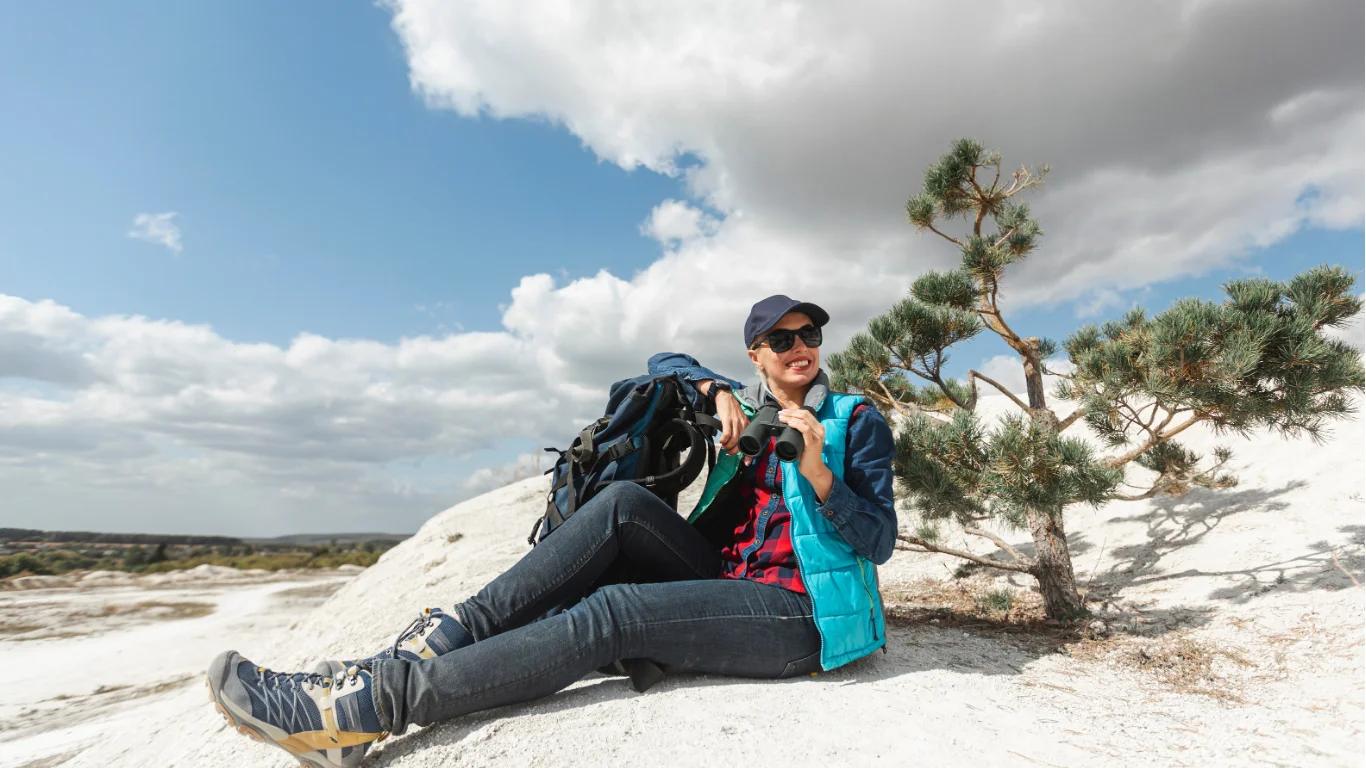
Understanding weather for hiking adventure planning is one of the most important steps before heading outdoors. Weather conditions affect trail safety, visibility, energy levels, and overall comfort during any hike. Sudden changes in temperature, rain, or wind can quickly turn a simple walk into a challenging situation. This guide explains how to evaluate weather, prepare properly, and choose the best conditions for a successful hiking experience.
Why Weather Matters for Hiking Adventures
Weather directly impacts trail conditions, body temperature, and navigation. Hot weather increases dehydration risk, while cold temperatures can lead to hypothermia if clothing is inadequate. Rain and snow make trails slippery and reduce visibility.
Paying attention to weather for hiking adventure preparation helps hikers avoid dangerous situations. Proper planning allows safer route choices and better gear selection. Awareness improves confidence on the trail.
Ideal Weather Conditions for Hiking
Mild temperatures between 50°F and 75°F are generally considered perfect for hiking. Light cloud cover provides comfort without limiting visibility, while gentle breezes help regulate body heat. Dry conditions also make trails easier to navigate.
Choosing favorable weather for hiking adventure trips reduces physical strain. Comfortable temperatures support longer hikes. Ideal conditions allow hikers to focus on scenery rather than survival.
Checking Weather Forecasts Before You Go
Always review short-term and extended forecasts before starting any hike. Look for details about temperature ranges, precipitation chances, and wind speed. Mountain areas often experience faster weather changes than lowland trails.
Reliable weather for hiking adventure planning includes checking updates the night before and again on the morning of your hike. Forecast shifts can affect safety. Multiple sources provide better accuracy.
Understanding Temperature Changes on Trails
Temperature often drops with elevation gain, even on warm days. Early mornings may feel cold, while midday heat can become intense. Shaded forest trails feel cooler than exposed ridges.
Factoring elevation into weather for hiking adventure decisions prevents discomfort. Layered clothing helps manage changing conditions. Being prepared avoids overheating or chilling.
Rain, Snow, and Trail Conditions
Rain increases mud, erosion, and slipping hazards, especially on steep terrain. Snow hides trail markers and requires specialized footwear. Even light precipitation can lower body temperature quickly.
Monitoring precipitation is essential in weather for hiking adventure safety. Waterproof gear protects against exposure. Avoiding severe storms minimizes risk.
Wind and Visibility Considerations
Strong winds increase fatigue and lower perceived temperature. Ridge trails and open areas are more exposed to gusts. Fog or low clouds reduce visibility and navigation accuracy.
Weather for hiking adventure planning should include wind forecasts and visibility reports. Windproof layers improve comfort. Clear visibility supports safer route finding.
Seasonal Weather Patterns and Hiking
Spring brings blooming landscapes but also unpredictable showers. Summer offers longer daylight but higher heat risks. Autumn provides cooler temperatures and colorful scenery, while winter demands specialized equipment.
Each season creates different weather for hiking adventure challenges. Seasonal awareness improves packing decisions. Matching hikes to seasonal strengths enhances enjoyment.
How Weather Affects Physical Performance
High heat increases heart rate and dehydration. Cold stiffens muscles and reduces coordination. Humidity limits sweat evaporation, causing faster fatigue.
Understanding weather for hiking adventure impact on the body supports better pacing. Adjusting speed prevents exhaustion. Hydration and rest become more important in extreme conditions.
Clothing Choices Based on Weather
Layering is the most effective strategy for variable conditions. Base layers manage moisture, mid-layers provide insulation, and outer shells block wind and rain. Footwear should match terrain and moisture levels.
Proper clothing supports weather for hiking adventure success. Quick-dry fabrics reduce discomfort. Smart gear choices prevent blisters and temperature stress.
Emergency Planning for Unexpected Weather
Carry basic safety gear including extra food, water, and navigation tools. Inform someone about your route and expected return time. Knowing when to turn back is critical.
Weather for hiking adventure preparedness includes backup plans. Early retreat is safer than pushing through storms. Emergency readiness saves lives.
Choosing Routes Based on Weather Conditions
Sunny days suit exposed viewpoints, while forested trails offer protection during heat. Wet conditions favor well-maintained paths with good drainage. Windy days are better for sheltered valleys.
Matching routes to weather for hiking adventure forecasts improves comfort. Terrain selection reduces hazards. Smart route planning enhances overall experience.
Conclusion
Weather for hiking adventure planning is essential for safety, comfort, and enjoyment on the trail. From temperature changes and precipitation to wind and visibility, every element influences hiking conditions. Checking forecasts, dressing appropriately, and preparing for emergencies helps prevent accidents. By respecting weather patterns and adapting plans accordingly, hikers can enjoy memorable outdoor experiences while minimizing risks.
FAQs
What is the best weather for hiking adventure trips?
Mild temperatures, dry trails, and light cloud cover are ideal for most hikes.
How often should I check the forecast before hiking?
Check at least twice, once the night before and again on the morning of your hike.
Can I hike in rainy weather?
Yes, with proper gear, but avoid heavy rain or storms for safety.
How does wind affect hiking?
Strong winds increase fatigue and lower body temperature, especially on exposed trails.
Why is layering important for hiking weather?
Layering allows quick adjustment to changing temperatures and activity levels.