
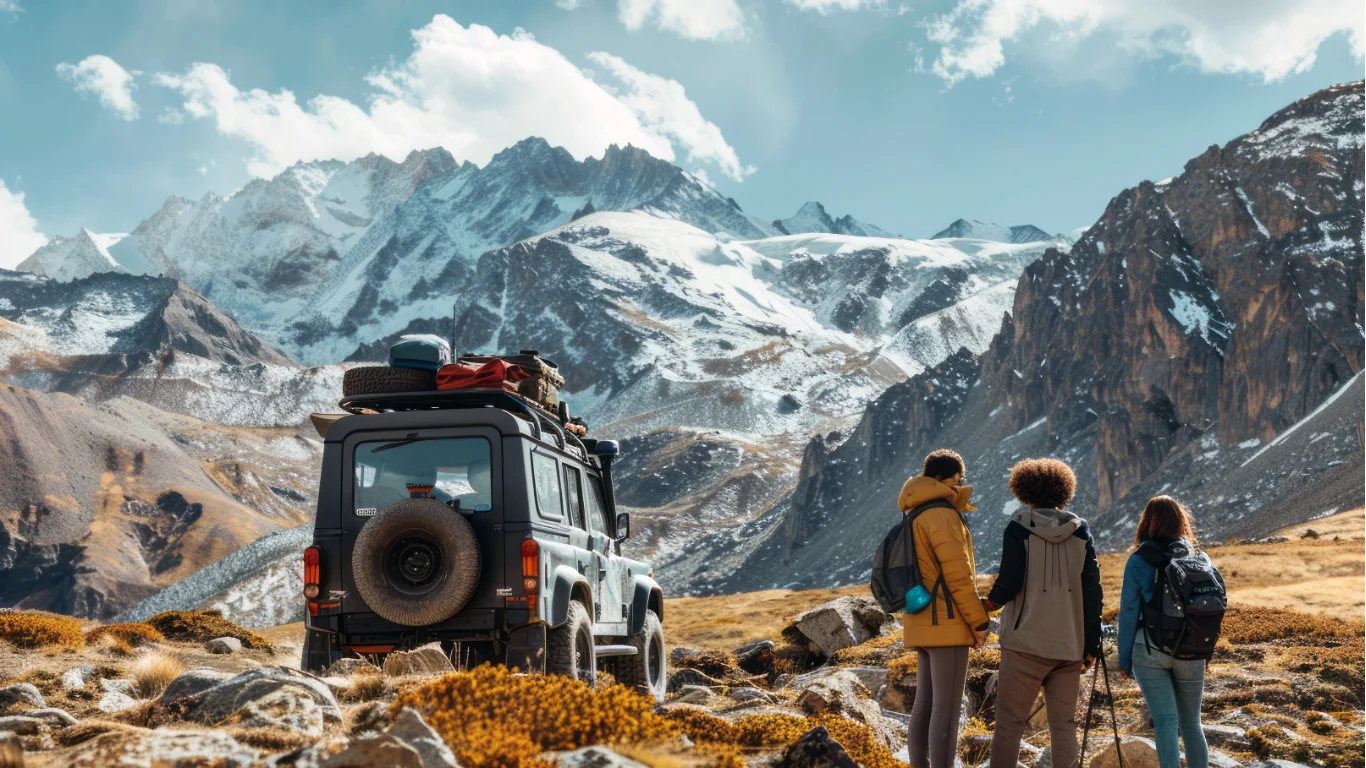
A Mount Everest adventure with group is one of the most powerful ways to experience the world’s highest mountain while sharing the journey with like-minded explorers. Traveling in a group provides structure, safety, and emotional support during challenging terrain and high-altitude conditions. From preparation and acclimatization to teamwork and logistics, every detail matters on this life-changing expedition. This guide explains how group adventures work, what to expect, and how to prepare for a successful Mount Everest adventure with group.
What Is a Mount Everest Adventure With Group
A Mount Everest adventure with group involves trekking or climbing with a guided team led by experienced professionals. Participants follow a structured itinerary that includes acclimatization days, safety briefings, and coordinated travel. Group members support one another physically and mentally throughout the journey.
This approach makes high-altitude travel more manageable. Shared responsibilities reduce stress, while expert leadership ensures proper pacing. A Mount Everest adventure with group is ideal for those who value teamwork and guided planning.
Why Choose a Group Everest Experience
Group adventures provide safety through numbers and professional supervision. Climbers benefit from shared knowledge, motivation, and emergency support if conditions become difficult. Organized logistics also reduce the burden of managing permits, accommodations, and supplies.
Choosing a Mount Everest adventure with group increases confidence on the mountain. Team dynamics improve morale during long trekking days. Structured guidance helps participants stay focused on the journey.
Physical Preparation and Fitness Requirements
Strong cardiovascular endurance and leg strength are essential for Everest-related treks or climbs. Training typically includes hiking with weighted packs, stair climbing, and endurance workouts. Core stability also helps manage uneven terrain.
Preparing early is key for any Mount Everest adventure with group. A consistent fitness routine builds stamina and reduces injury risk. Good conditioning allows you to enjoy the experience instead of struggling through it.
Altitude Acclimatization and Health
High altitude affects oxygen levels and physical performance. Group itineraries include gradual elevation gains and rest days to help the body adapt. Hydration and proper nutrition support acclimatization.
A Mount Everest adventure with group follows proven acclimatization schedules. Guides monitor participants for signs of altitude sickness. Early detection ensures timely response and safer progression.
Daily Life During the Expedition
Days typically involve morning briefings, trekking or climbing, and evening recovery periods. Meals are planned to provide energy while accommodating dietary needs. Evenings often include team discussions and route planning.
Life on a Mount Everest adventure with group becomes structured and purposeful. Shared routines strengthen bonds. Consistency helps everyone adjust to mountain conditions.
Equipment and Packing Essentials
Proper gear includes insulated layers, waterproof clothing, sturdy boots, and high-quality sleeping systems. Trekking poles, sunglasses, and sunscreen protect against intense sun exposure. Each participant carries personal essentials while group supplies cover safety equipment.
Packing smart is vital for a Mount Everest adventure with group. Lightweight but durable gear improves mobility. Being prepared reduces discomfort and fatigue.
Safety Protocols and Team Support
Professional guides establish safety rules and emergency plans before departure. Rope systems, radio communication, and medical kits are standard in group expeditions. Team members watch out for one another throughout the journey.
A Mount Everest adventure with group prioritizes collective safety. Clear communication prevents misunderstandings. Strong teamwork builds trust and resilience.
Mental Strength and Group Dynamics
Mental endurance plays a major role in high-altitude adventures. Encouragement from teammates helps overcome fatigue and doubt. Respecting different paces maintains harmony.
Group dynamics shape the Mount Everest adventure with group experience. Positive attitudes improve morale. Emotional support often makes the difference on tough days.
Best Time of Year for Group Adventures
Spring and autumn are the most popular seasons due to more stable weather. Spring offers warmer conditions, while autumn provides clearer skies and fewer crowds. Each season presents unique challenges and rewards.
Choosing the right season enhances a Mount Everest adventure with group. Weather patterns influence safety and visibility. Planning around seasonal conditions improves success rates.
Costs and What Group Packages Include
Group expeditions typically include permits, guides, accommodation, meals, and transportation. Costs vary depending on trip length and support level. Some packages also cover oxygen systems and climbing gear.
A Mount Everest adventure with group simplifies budgeting by bundling essentials. Understanding what’s included avoids surprises. Transparent planning supports peace of mind.
Environmental Responsibility on Everest
Group expeditions emphasize responsible tourism practices. Waste management, trail preservation, and respect for local communities are core principles. Participants are encouraged to leave no trace.
A Mount Everest adventure with group promotes sustainability. Protecting the mountain ensures future generations can experience it. Ethical travel adds meaning to the journey.
Conclusion
A Mount Everest adventure with group offers a structured, supportive, and inspiring way to experience one of the planet’s most iconic landscapes. Through shared effort, professional guidance, and careful preparation, participants gain confidence and unforgettable memories. From physical training to mental resilience, every element contributes to success. With the right mindset and teamwork, a Mount Everest adventure with group becomes a truly transformative experience.
FAQs
What is a Mount Everest adventure with group?
It is a guided expedition where participants travel together with professional support and shared logistics.
Do I need climbing experience to join a group adventure?
Some routes require experience, while others are trekking-based and suitable for fit beginners.
How long does a typical group Everest adventure take?
Most group itineraries last two to three weeks depending on the route and acclimatization schedule.
Is altitude sickness common?
It can occur, which is why group trips include gradual elevation gains and medical monitoring.
Why is traveling in a group safer on Everest?
Group travel provides professional guidance, emergency support, and shared responsibility for safety.