
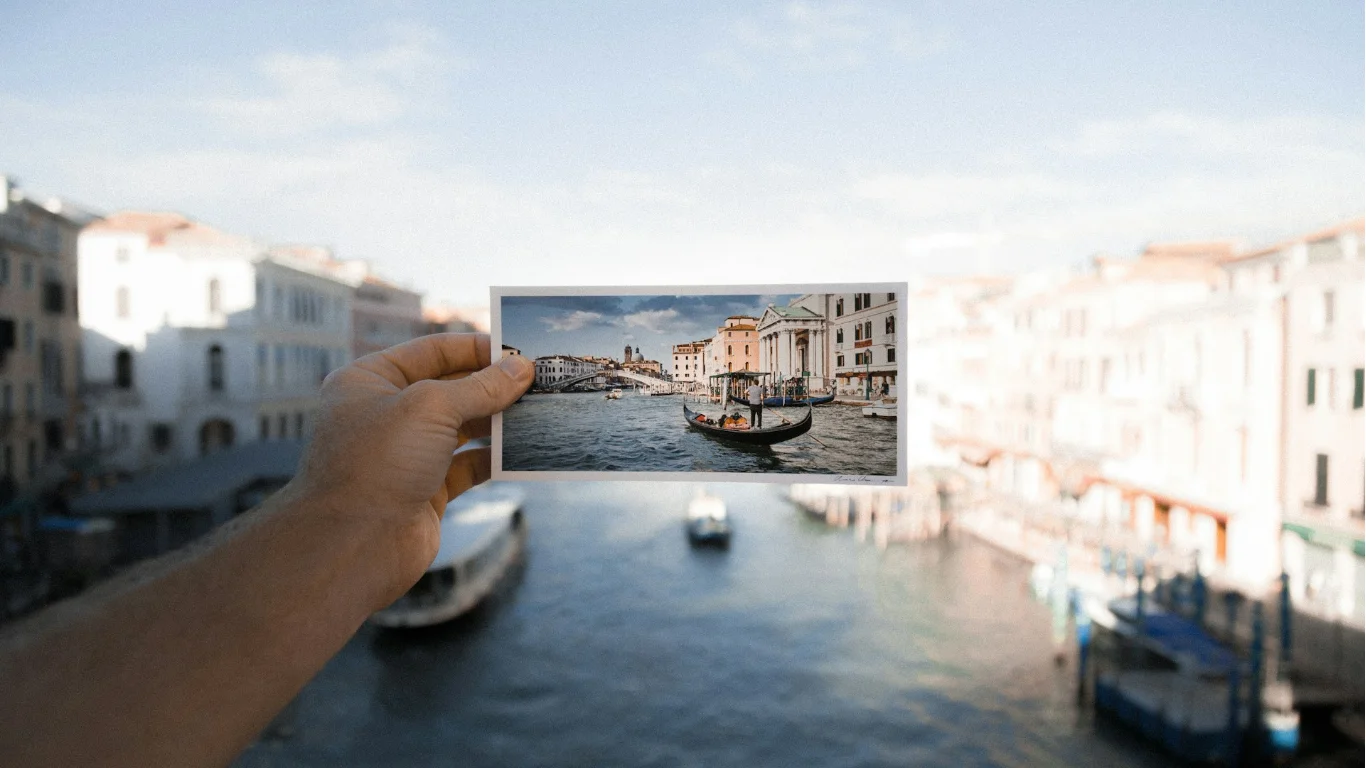
Capturing unforgettable moments while exploring new places becomes easier when you follow proven travel photography tips. Whether you use a smartphone or professional camera, knowing how to frame scenes, manage light, and tell visual stories makes a huge difference. Travel photography is not just about landmarks but also people, culture, and atmosphere. This guide shares practical travel photography tips to help you create meaningful images wherever you go.
Plan Your Shots Before You Travel
Research destinations, iconic viewpoints, and sunrise or sunset times before leaving home. Creating a loose shot list helps you avoid missing important moments. Understanding weather patterns also improves lighting opportunities.
Among essential travel photography tips, preparation saves time and increases creativity. Planning locations allows better composition. Arriving with ideas helps you shoot with purpose.
Learn to Work With Natural Light
Natural light shapes mood and detail in every photo. Early morning and late afternoon provide soft, warm tones that enhance landscapes and portraits. Harsh midday sun creates strong shadows that require careful positioning.
Mastering light is one of the most valuable travel photography tips. Move your subject when light feels flat. Adjust angles to highlight textures and colors.
Use Simple Composition Techniques
Rule of thirds, leading lines, and framing help guide viewers’ eyes through images. Including foreground elements adds depth to landscapes. Keeping horizons straight maintains professional quality.
Composition-focused travel photography tips improve storytelling. Practice seeing scenes in layers. Small adjustments often turn ordinary shots into striking visuals.
Capture Local Life and Culture
Photographing markets, street scenes, and daily routines adds authenticity to your travel story. Always ask permission before taking close portraits. Respecting privacy builds trust with locals.
Human-focused travel photography tips encourage emotional connection. Candid moments often feel more genuine than posed shots. Cultural sensitivity strengthens your images.
Choose the Right Camera Settings
Understanding basic settings like aperture, shutter speed, and ISO gives you creative control. Wide apertures blur backgrounds for portraits, while narrow apertures keep landscapes sharp. Faster shutter speeds freeze motion.
Technical travel photography tips help you adapt quickly to changing environments. Practice adjusting settings manually. Confidence with controls improves consistency.
Travel Light With Versatile Gear
Carrying minimal equipment allows faster movement and less fatigue. A single versatile lens often covers most shooting needs. Smartphone cameras can also produce impressive results with good lighting.
Gear-focused travel photography tips emphasize simplicity. Lightweight setups encourage spontaneous shooting. Less equipment means more freedom.
Tell a Visual Story With Your Photos
Think beyond individual images and aim to create a series that shows arrival, exploration, and departure. Include wide shots, details, and portraits for variety. Sequencing images builds narrative flow.
Storytelling travel photography tips help preserve memories meaningfully. Every trip has a beginning, middle, and end. Visual stories feel more complete.
Pay Attention to Backgrounds and Details
Busy backgrounds distract from main subjects. Changing angles or stepping closer simplifies scenes. Small details like textures or signs add character to travel albums.
Detail-oriented travel photography tips sharpen visual impact. Clean backgrounds highlight subjects. Subtle elements enrich storytelling.
Be Patient and Observe Your Surroundings
Waiting for the right moment often leads to stronger compositions. Watch how light moves and people interact with spaces. Patience rewards photographers with unique scenes.
Observation-based travel photography tips teach mindfulness. Slowing down improves awareness. Great shots often appear unexpectedly.
Edit Photos Thoughtfully
Basic editing enhances colors, contrast, and sharpness without overdoing effects. Preserving natural tones keeps images realistic. Editing also helps correct exposure mistakes.
Post-processing travel photography tips improve final results. Subtle adjustments elevate quality. Editing completes the creative process.
Respect Locations and Travel Responsibly
Avoid damaging environments or disturbing wildlife for photos. Stay on marked paths and follow local guidelines. Ethical behavior protects destinations for future travelers.
Responsible travel photography tips prioritize respect. Protecting places maintains authenticity. Conscious shooting builds sustainable travel habits.
Practice Regularly and Review Your Work
The more you shoot, the better you understand composition and light. Reviewing photos helps identify strengths and weaknesses. Learning from mistakes accelerates improvement.
Consistent practice is one of the most important travel photography tips. Growth comes from repetition. Reflection builds confidence.
Conclusion
Travel photography tips focus on preparation, observation, and creative storytelling to capture unforgettable experiences. From mastering light and composition to respecting cultures and editing carefully, every step enhances image quality. Photography becomes more meaningful when you connect emotionally with places and people. By applying these travel photography tips, you can transform ordinary trips into lasting visual memories.
FAQs
What are the best travel photography tips for beginners?
Start with natural light, simple composition, and practice regularly to build confidence.
Do I need expensive gear for travel photography?
No, smartphones or basic cameras work well when paired with good lighting and framing.
How can I take better photos of people while traveling?
Ask permission, capture candid moments, and respect local customs.
When is the best time of day for travel photography?
Early morning and late afternoon provide the softest and most flattering light.
Should I edit my travel photos?
Yes, light editing improves clarity and color while keeping images natural.